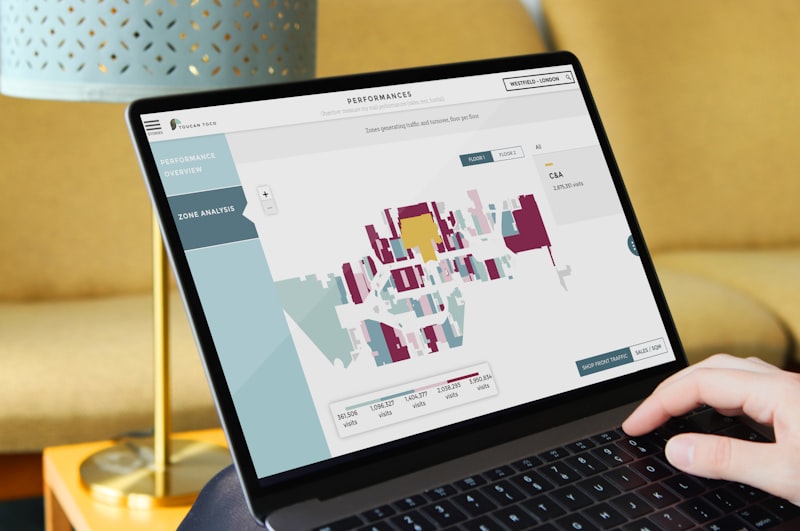
Attendance becomes much more useful when it does more than populate a register. It should help the school notice patterns early, contact families quickly, and reduce the clerical work that keeps staff from acting on the information they collect.
Automation matters most when it turns attendance into something the school can actually use in time.
The True Cost of Manual Attendance
Consider the daily process: teachers mark paper registers, office staff collect and enter the data, then someone manually contacts parents of absent students. For a school with 300 students and 15 classes, this process consumes hours of staff time every single day.
Over a school year, that adds up to hundreds of hours of administrative work that could be eliminated with automation.
How Automated Attendance Works
Teacher Input
Teachers mark attendance on their device — tablet, phone, or computer — in under a minute per class. The data is instantly saved to the central system.
Instant Parent Notification
Parents receive automatic notifications when their child is marked absent or late. No manual phone calls or messages required.
Real-Time Dashboards
Administrators see school-wide attendance in real-time. Patterns become visible immediately — which students are chronically absent, which classes have the best attendance, and how overall attendance trends over time.
Integrated Reporting
Attendance data feeds directly into student records, report cards, and compliance reports. No separate data entry or reconciliation needed.
Why Alif Cloud
Alif Cloud's attendance system was designed for the specific needs of Islamic schools. It supports multiple session tracking for schools with separate academic and Islamic studies periods, prayer attendance logging, and flexible scheduling for Friday and weekend programs.
The system integrates with every other part of the platform, so attendance data enriches student profiles, informs parent communications, and supports administrative reporting without any additional effort.
Attendance Data Is a Student Support Tool, Not Just a Register
Attendance becomes much more valuable when leaders treat it as an early-warning system instead of a compliance checkbox. In many education contexts, chronic absence is defined as missing about ten percent of enrolled school days, a threshold that quickly becomes meaningful even early in the year. If schools only review attendance at report-card time, they miss the chance to intervene while patterns are still small and manageable.
For Islamic schools, attendance may also signal deeper operational issues. A student who misses Quran sessions but attends academics, or vice versa, may be experiencing schedule friction, transport issues, motivation challenges, or confusion at home about expectations. Automated attendance does not solve those problems by itself, but it gives the school a dependable record that makes conversations with parents and teachers much more specific.
How to Design Attendance Workflows for Full-Time and Weekend Programs
A full-time Islamic school often needs attendance workflows at multiple levels: daily attendance, class attendance, tardiness, dismissal exceptions, and sometimes separate tracking for Quran or Islamic studies sessions. Weekend and evening programs usually need a simpler workflow, but they still need fast roll call, accurate family contact information, and a reliable way to alert parents when a student is absent unexpectedly.
The important design choice is speed without ambiguity. Teachers should be able to record attendance quickly, but office staff should still know whether a student is absent, late, excused, or expected in a later session. That clarity matters for parent communication, safeguarding, trend reporting, and board oversight. The best attendance workflow is the one staff can sustain every day without inventing side notes or unofficial workarounds.
Action Checklist
Use this checklist when you review your current workflow, compare tools, or plan the next phase of your Islamic school operations around attendance automation for schools.
- Set one attendance definition for absent, late, excused, and partial attendance across the school.
- Identify which attendance events should trigger immediate parent notifications and which should appear in the portal only.
- Review attendance weekly for emerging chronic absence patterns instead of waiting for term-end reports.
- Decide whether Quran sessions, weekend classes, or special programs need their own attendance layer.
- Make sure teachers can complete the workflow in under a minute without sacrificing clarity.
Common Mistakes to Avoid
Many Islamic schools move fast when they feel operational pain, but the fastest decision is not always the most scalable one. Watch for these common problems when evaluating attendance automation for schools.
- Treating attendance as a clerical task instead of a student-support signal.
- Using inconsistent definitions of absent and late across teams or grade levels.
- Recording attendance quickly but failing to review patterns until much later in the term.
- Sending parent alerts without making sure the underlying contact data is current.
Frequently Asked Questions
What should Islamic schools prioritize first when evaluating attendance automation for schools?
Start with the workflow that creates the most daily friction. For many schools that means clear attendance definitions, fast teacher entry, and dependable family contact workflows. Once that core process is stable, it becomes much easier to add the surrounding workflows without creating another disconnected system.
Can a smaller Islamic school or weekend program benefit from attendance automation for schools?
Yes. Weekend schools and smaller programs still benefit because unexpected absences, parent follow-up, and class participation patterns are easier to manage when attendance is recorded consistently. The key is to choose a setup that can grow with the school instead of forcing a second migration once enrollment, staff count, or parent communication volume increases.
How do we avoid turning attendance automation for schools into another disconnected tool?
Keep attendance tied to the same student and family record used for communication, reporting, and intervention notes. In practice that means agreeing on one system of record for student data, one owner for workflow design, and one reporting standard for leadership and board review.
How should we measure success after implementation?
Track time spent on attendance entry, parent notification speed, chronic absence visibility, and whether intervention conversations happen earlier. Those indicators reveal whether the process is actually easier for staff and families, not just whether the software has been turned on.
Related Resources
If you are building a broader improvement plan, these related guides will help you evaluate the surrounding workflows as well.